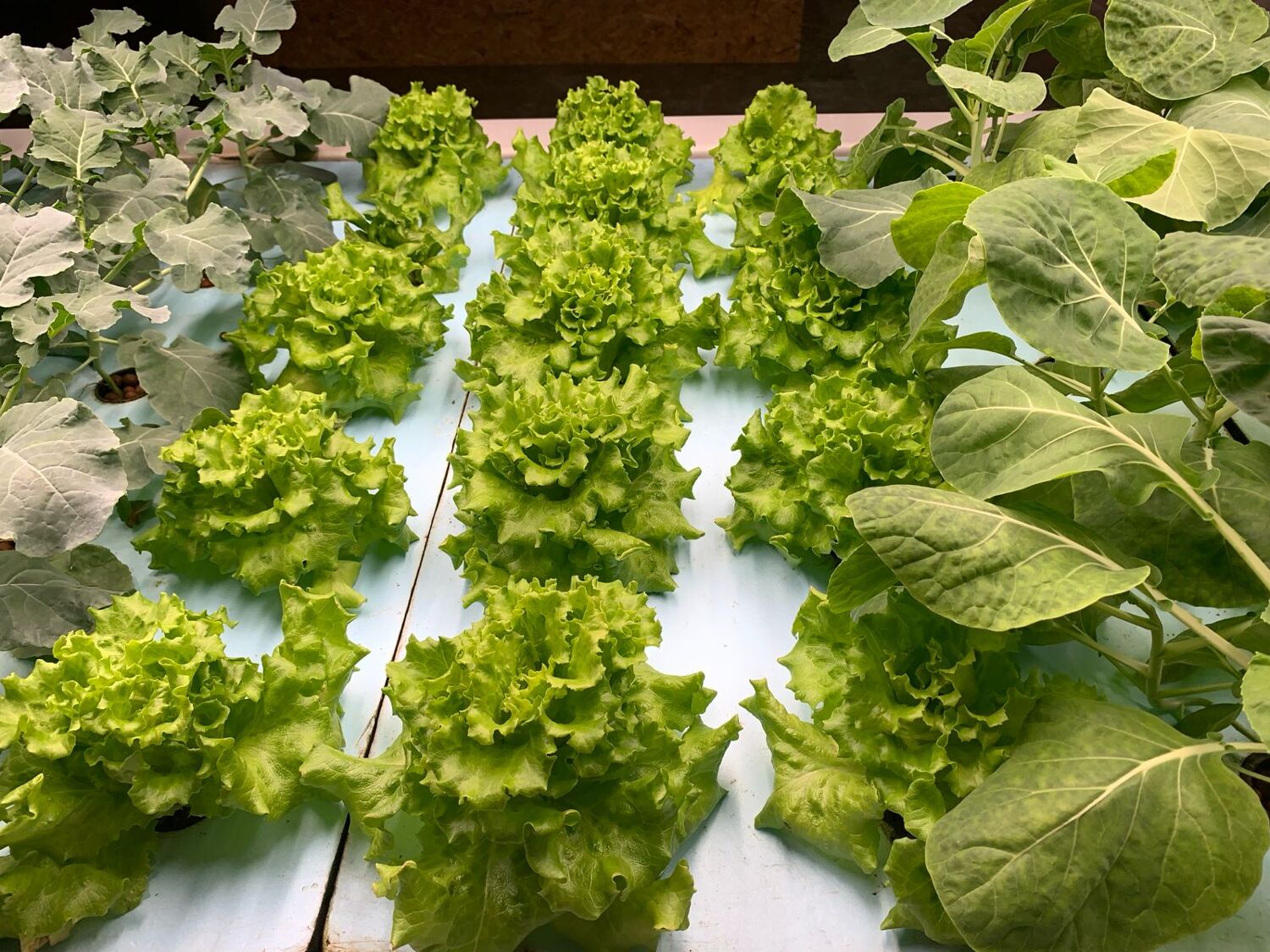
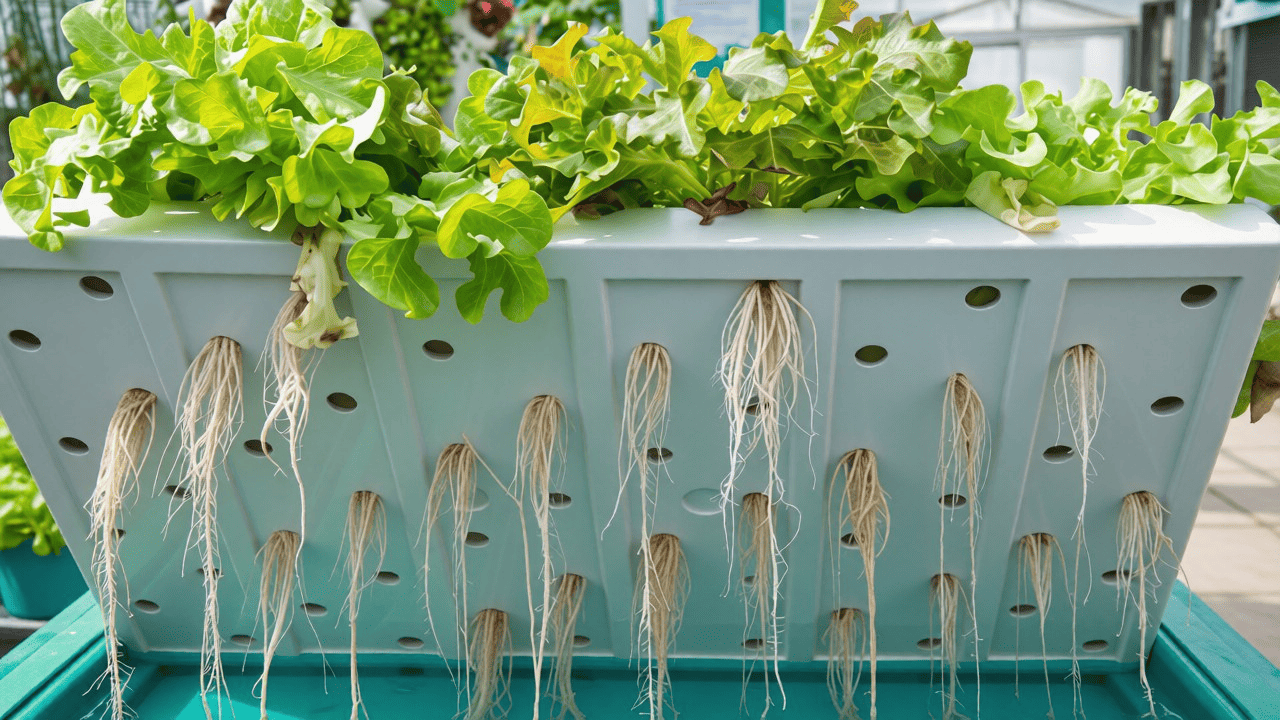
DEEP WATER CULTURE — DWC
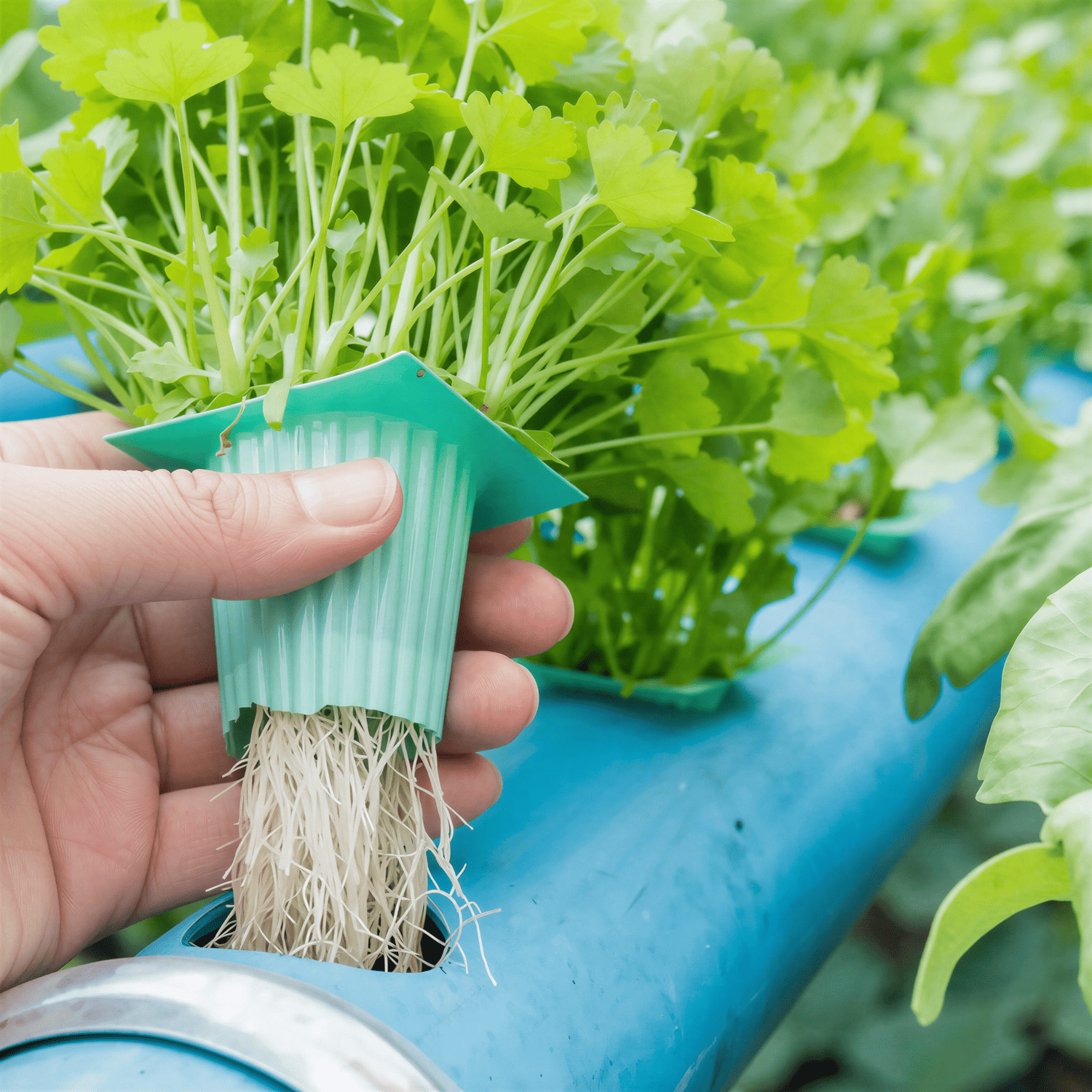
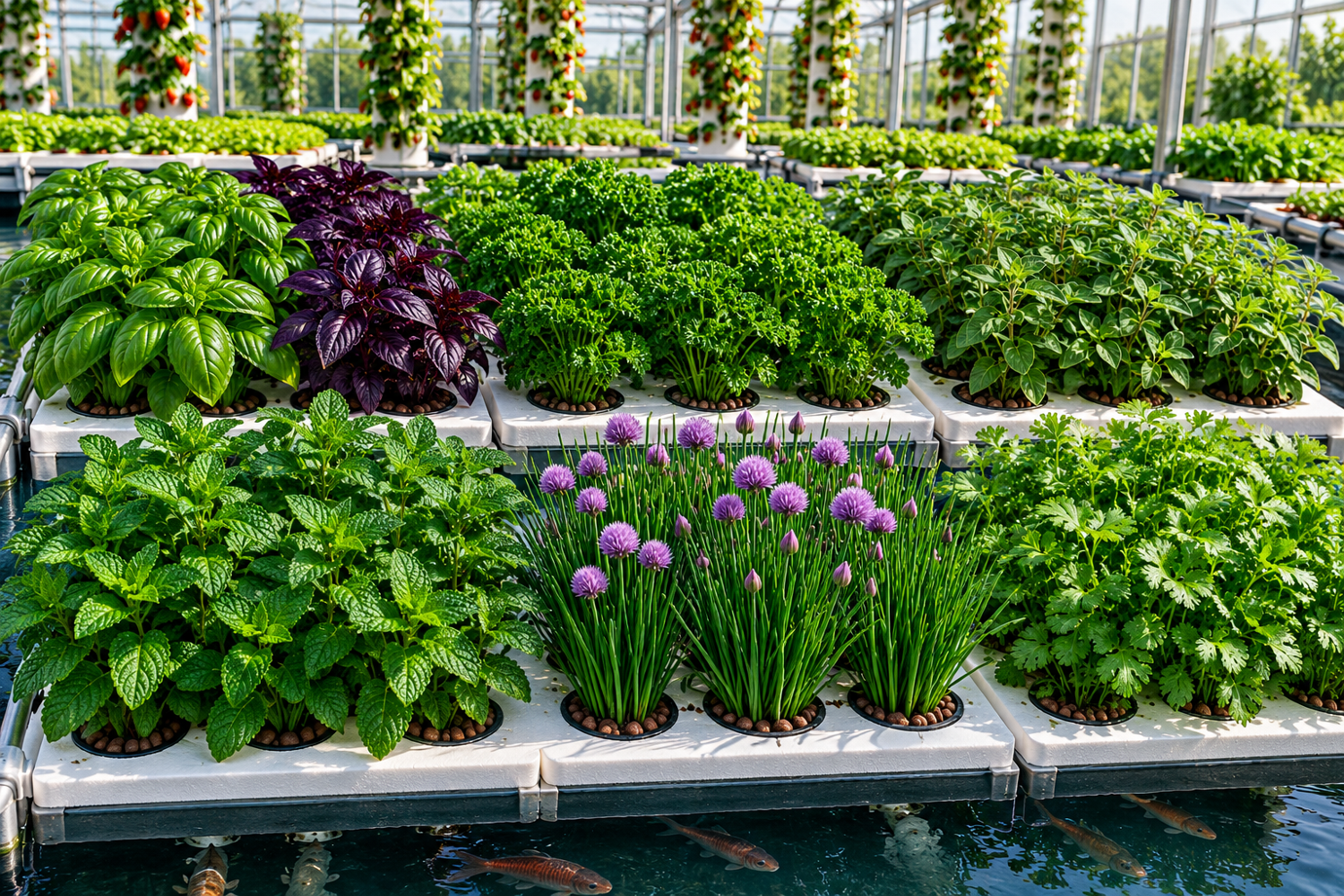
Plants are supported on floating rafts while their roots remain suspended in oxygenated, nutrient-rich water.
- Lettuce & leafy greens
- Herbs
- Larger-scale production

Aquaponics combines aquaculture and hydroponic plant production in one interconnected ecosystem. Fish, plants, water and beneficial microorganisms work together to create an efficient method of producing fresh food with dramatically reduced water consumption.
Aquaponics combines two established food-production methods:
The controlled cultivation of fish or other aquatic organisms.
Growing plants without soil, with nutrients delivered through water.
In an aquaponic system, these two processes are connected.
The result is a recirculating biological system in which water and nutrients are continuously reused.
Fish are fed and naturally release metabolic waste into the water. Instead of becoming waste that must simply be discarded, these compounds become the beginning of the plant nutrient cycle.
Naturally occurring nitrifying bacteria convert ammonia first into nitrite and then into nitrate, a form of nitrogen readily available to plants.
Plant roots absorb dissolved nutrients from the circulating water. By removing these nutrients, the plants help clean the water before it returns to the aquatic environment.
Explain that recirculation can significantly reduce water requirements compared with conventional soil-based agriculture, although actual consumption depends on climate, crops, system design and management.
There is no single aquaponic system suitable for every application. Different growing technologies can be selected or combined according to crops, available space, production goals and operating conditions.

Plants are supported on floating rafts while their roots remain suspended in oxygenated, nutrient-rich water.

A shallow stream of nutrient-rich water continuously passes through channels containing plant roots.

Plants grow in beds filled with inert growing media. The media provides root support and filtration.
-1500w.jpeg)
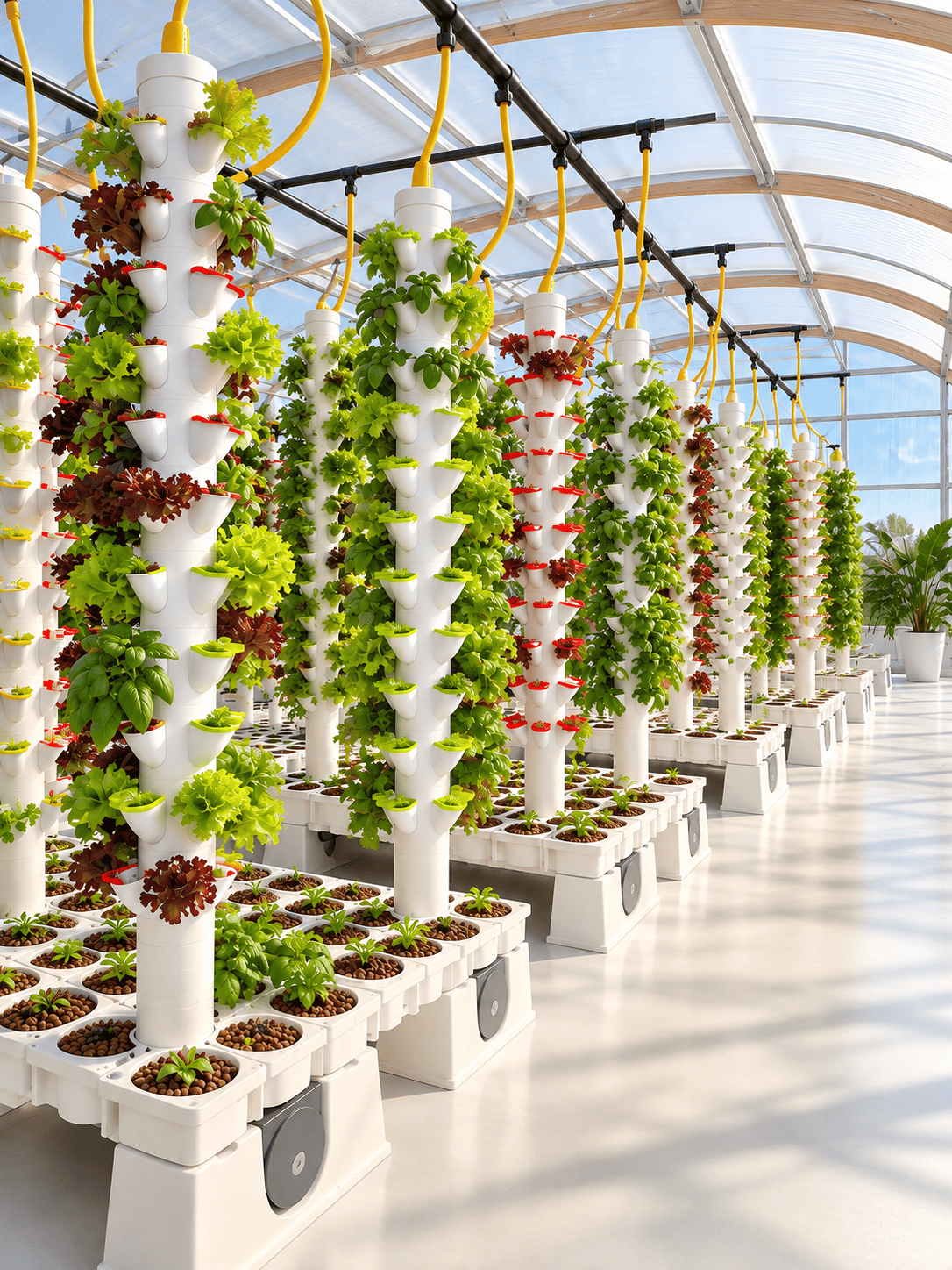
Plants are arranged vertically to increase productive growing area within a limited footprint.
-1500w.jpeg)
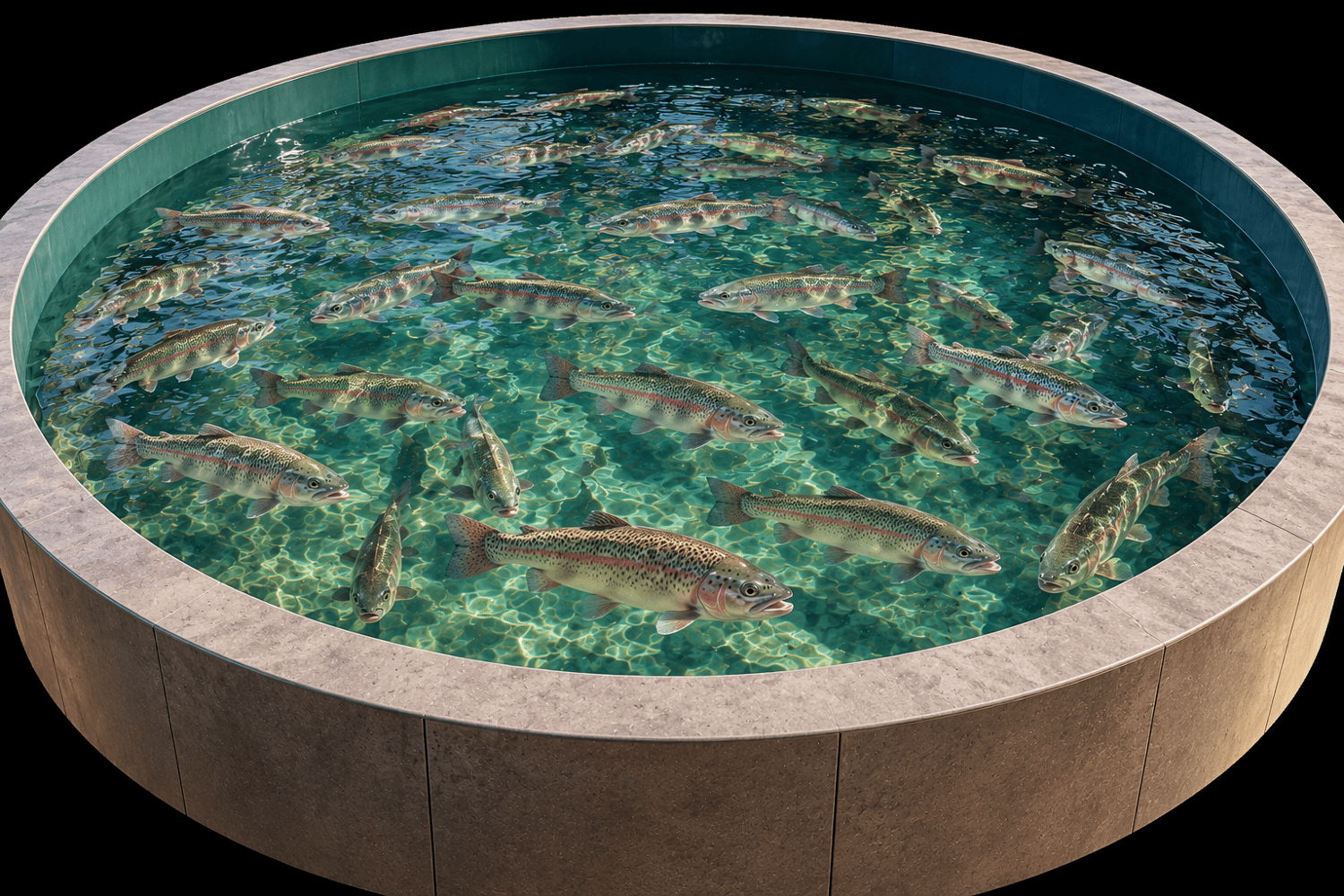
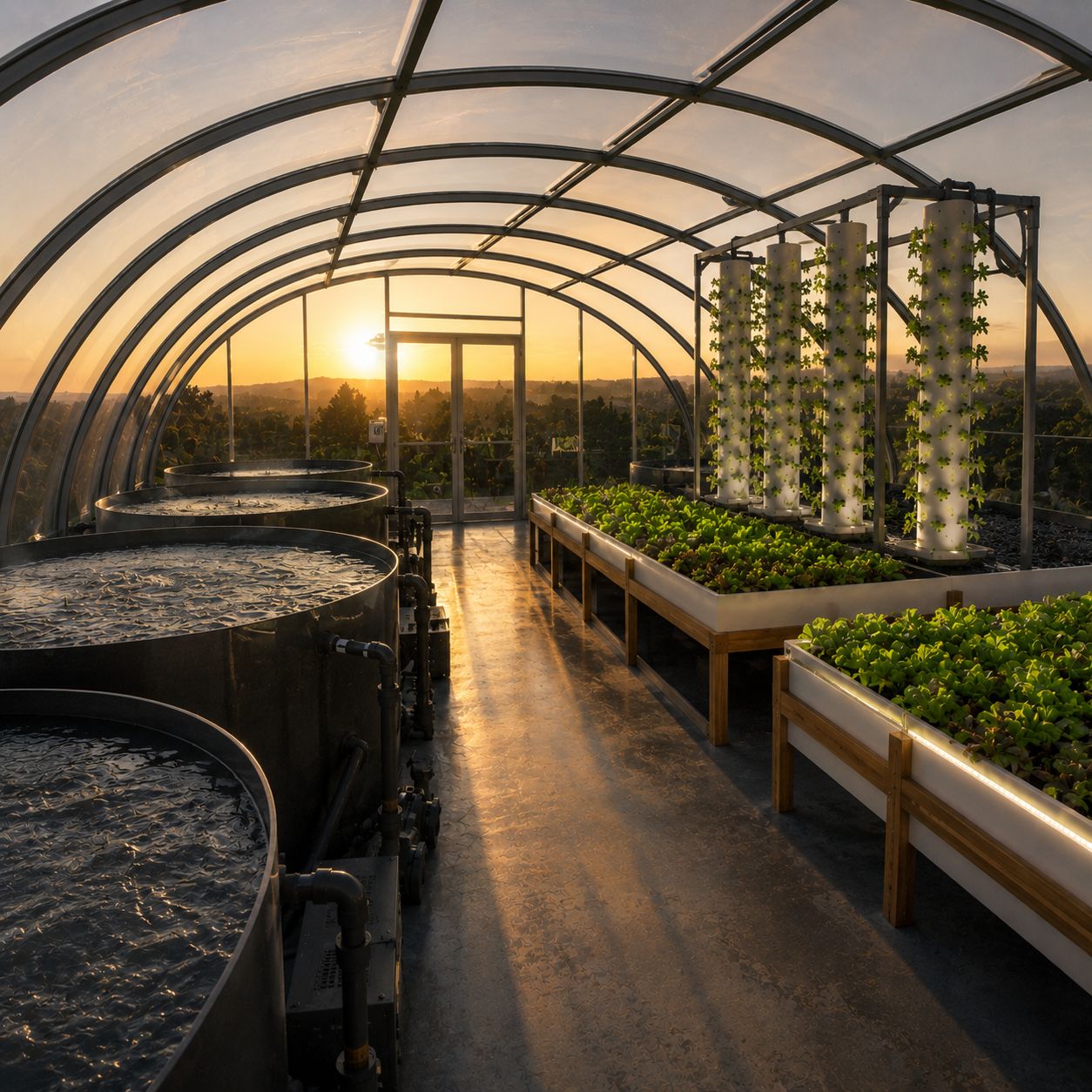
Provides the aquatic environment.
Move water through the system.
Habitat for beneficial microorganisms responsible for biological conversion.
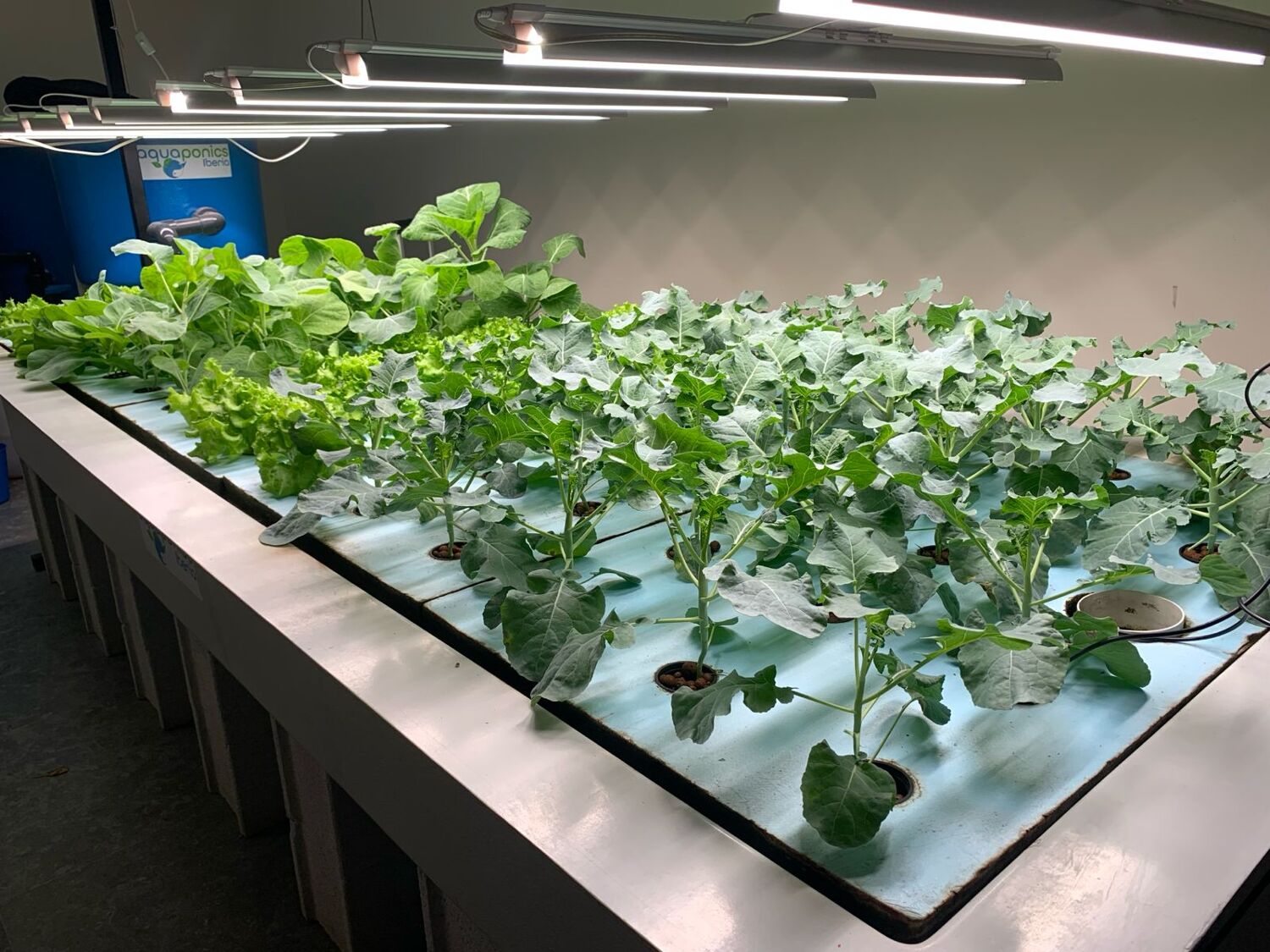
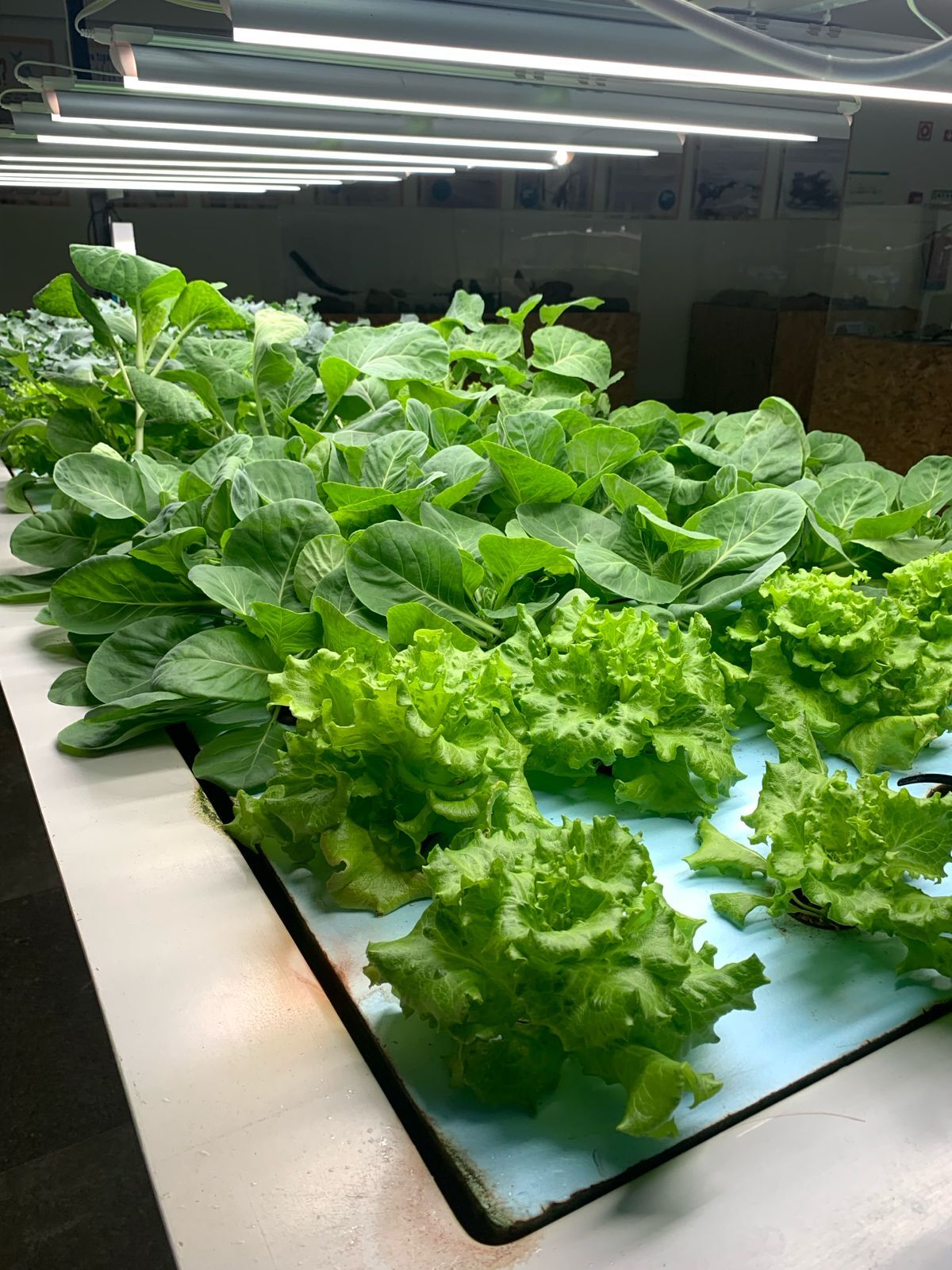
Where plants receive water, nutrients and oxygen.
Track critical parameters such as temperature, pH and system conditions.
Powers pumps, aeration, monitoring and environmental systems.
A successful system balances fish stocking, feeding, biological filtration, plant demand, temperature and water chemistry.

Lettuce, Spinach, Swiss Chard

Tilapia, Trout, Carp, Catfish

Basil, Mint, Coriander

Integrated Ecosystems
Hydroponics supplies plant nutrients through formulated nutrient solutions.
Aquaponics derives plant nutrition from the biological processing of nutrients originating in the aquatic system.
Neither method is universally superior. They are different production approaches suited to different objectives.

Fresh food production integrated into residential environments.
Produce herbs and vegetables close to guest experience in hotels and resorts.
Design systems around defined production targets and operational requirements.
Demonstrate biology and ecology in a living system for schools.
AquaAmori develops integrated aquaponic environments that combine food production, water management, controlled growing conditions and architectural design.
-1500w.jpeg)

Aquaponics combines aquaculture and hydroponics in a recirculating system where fish waste provides nutrients for plants, and plants clean the water for the fish.
Aquaponic systems use significantly less water than traditional soil-based agriculture—often up to 90% less—because water is recirculated rather than lost to the ground.
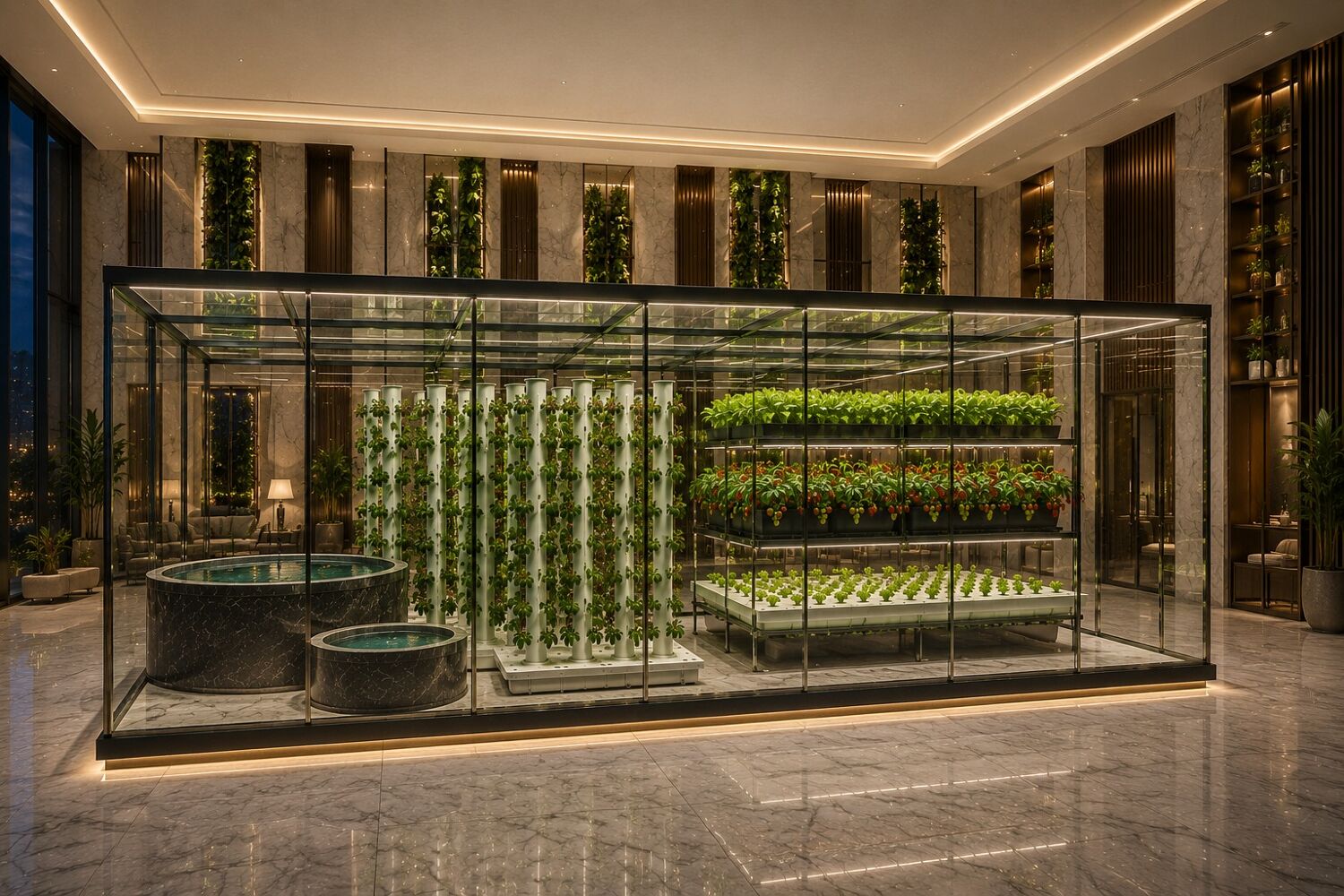
Yes, with proper lighting and climate control, aquaponic systems can be integrated into indoor architectural spaces, restaurants, and homes.
From compact installations to integrated architectural environments, AquaAmori develops aquaponic systems around the place, people and production objectives they are designed to serve.